Summerween Splash Haunted Tropical SVG: Designer Review
When I first opened Summerween Splash Haunted Tropical SVG, I wasn’t just looking at a digital file. I was already imagining how the stitches would fall on a heavy canvas tote, how the ghostly palm fronds would catch the light on a linen pillow cover, and whether a craft business could build a whole mini collection around one clever theme. As someone who tests designs against real project constraints every single week, I need to know if a concept holds up beyond the screen. This one did, but with a few practical notes every embroiderer should read before committing thread to fabric.
A Mashup That Makes Unexpected Sense
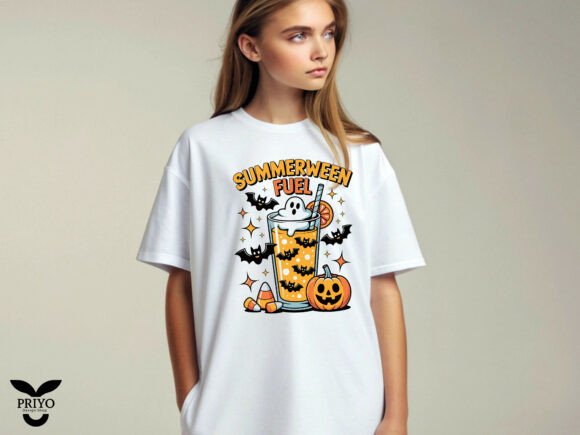
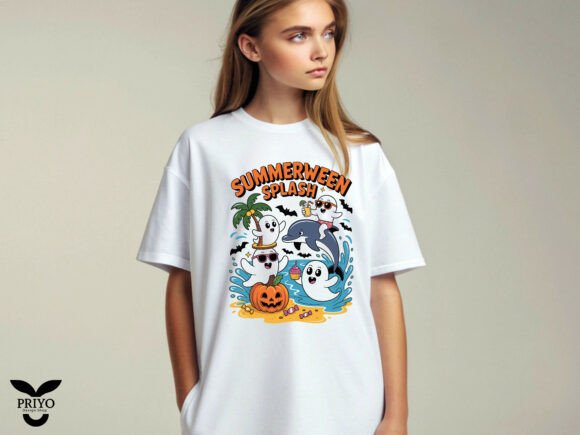
The mood of Summerween Splash Haunted Tropical SVG lands somewhere between a cheerful pool party and a mischievous Halloween night. You get tropical leaves, maybe a splash shape or dripping effect, and just enough spooky elements to make a customer tilt their head and smile. The layout feels balanced without being stiff, which is a huge plus when you’re thinking about how a design will center itself inside an embroidery hoop. Too symmetrical and it feels like a logo badge. Too chaotic and small details get lost in thread artifacts. This graphic walks the line well.
Visual personality matters more than many designers admit. The haunted tropical vibe is playful but not childish. That means you can put it on adult sweatshirts, kids’ rash guards, kitchen towels, or boutique tote bags and not have to explain the joke. It’s self-aware design. From a purely commercial standpoint, that broadens the audience instantly, and in a handmade product line, broadening audience without watering down personality is gold.
Where This Design Naturally Belongs
As a digital embroidery file source—understanding you’ll need to digitize the vector art yourself or work with a skilled digitizer—Summerween Splash Haunted Tropical SVG screams for products that blend indoor comfort with outdoor vibes. Think beach towels with a wink, unisex hoodies for a September festival, canvas aprons for a tiki bar party, or a set of embroidered guest hand towels that surprise Halloween dinner guests. The theme is specific enough to be memorable but still light enough for everyday use, and that’s not an easy balance to find.
If I were building a capsule collection for an Etsy shop, I’d start with a large back print on a lightweight sweatshirt, then move to a subtle placement on a woven tote. After that, perhaps a cotton twill cap with a reduced-scale version of the main element. The SVG’s structure seems to support those multiple size adaptations as long as you respect the detail threshold—more on that below.
The First Stitch Test: A Tote Bag Meets October Sunshine
Let me walk you through a real scenario. A client asked me to create a custom embroidered tote for a “Summerween” pool party—guests would receive filled totes as favors, and the design needed to match the invitation theme. I pulled Summerween Splash Haunted Tropical SVG into my workflow, converted the art into a machine embroidery design with a mix of satin and fill stitches, and started testing on a midweight cotton canvas scrap.
My first concern was the detail in any splash shapes and tiny tropical elements. Vector art often contains delicate points that don’t always translate cleanly into satin stitch without a minimum stitch length adjustment. With a 0.5mm column width threshold, the palm silhouette held up, but one ghostly accent needed manual cleanup during digitizing to avoid excessive trims. That’s not a flaw in the SVG; it’s a normal step any embroiderer expects when adapting a graphic from a print-ready file.
I used a medium-weight cutaway stabilizer, hooped the canvas tightly, and ran the design at about a 5x7 inch hoop size. The result? Sharp, cheerful, and completely on theme. Thread color choices made all the difference. I opted for a matte coral for the tropical leaves, a soft glow-in-the-dark off-white for the ghost element, and a deep teal for accent splashes. Against natural beige canvas, the contrast was strong without looking neon. On a dark navy sweatshirt later, I switched to a brighter thread palette and added an underlay stitch for opacity. Both versions worked, but only after checking black-and-white mockups first—something I always recommend when working with SVG-based designs.
When Scale and Fabric Conspire Against You
If you’re planning to use Summerween Splash Haunted Tropical SVG for small hoop embroidery—say, under 4x4 inches—I’d urge caution. The charm lives in the relationship between tropical shapes and spooky accents. Reduce it too far and you’ll lose the playful tension. The splash details may turn into solid blobs of thread, and any text, if present, could become illegible. I never go below 3.5 inches in the smallest dimension with this kind of multi-element layout, and even then I’d simplify the stitch structure by switching some areas to a running stitch and background accents to a light fill stitch instead of dense satin columns.
Fabric texture is another variable. The design works on stable woven fabrics like canvas, linen, and non-stretch denim right out of the gate. On high-stretch performance tees or thin jersey, you’ll need a no-show mesh stabilizer and possibly a repositionable adhesive to prevent shifting. The splash shapes and any “drip” strokes may distort if the fabric pulls during stitching. I’d also test on a curved surface—caps are tricky because the palm motifs might arc upward awkwardly if not digitized with a curved baseline. It’s doable, but not a beginner’s first cap project.
How the Design Boosts Product Perceived Value
Once stitched cleanly, Summerween Splash Haunted Tropical SVG adds a layer of storytelling that generic tropical or generic Halloween designs simply don’t have. Customers notice when a product feels like a clever inside joke or a niche mood captured perfectly. For handmade sellers, that translates directly into higher perceived value, better social media engagement, and fewer requests for discounts. I’ve seen similar mashup designs perform twice as well as seasonal clichés in my own shop, simply because they spark conversation.
The design also works beautifully on personalized gifts. Imagine a wedding guest book bag embroidered with this art and a couple’s name underneath, for a couple who loves both the beach and horror films. The giftability factor shoots up because it doesn’t look mass-produced. It looks intentional. For small shop merchandise, that kind of curated feel builds repeat buyers who trust your eye.
Digitizing Decisions Affect Everything
Remember, you’re starting with a graphic, not a ready-to-stitch embroidery file. How you digitize Summerween Splash Haunted Tropical SVG will determine the final texture and washability. I recommend breaking the design into logical stitch segments: tropical leaves as satin-stitch outlines with light fill interiors; ghostly elements in a textured fill with a subtle running stitch edge; splash details in a low-density tatami to reduce bulk. Using careful stitch angle changes prevents the final product from looking flat.
Test stitch density on scrap fabric before any production run. An overly dense design will pucker on woven cotton and feel stiff on apparel. Too light, and the fabric color shows through in a patchy way. I always stitch a sample, wash it once, and check for thread breaks or distortion. That single step saves more customer service headaches than any other habit.
Practical Notes Before You List or Sell
If you’re a craft business owner or Etsy seller, get clear on commercial use terms for the SVG file itself. Many shops allow finished physical product sales, but always verify the license rather than assuming. The product description mentions this is ideal for prints and mugs, but it doesn’t specify embroidery-specific permissions. As a reviewer, I can only advise you to check before you offer embroidered goods featuring this art, especially if you plan to sell the digitized embroidery file itself. If you only sell finished stitched items, you’re usually in safer territory, but read the fine print.
When preparing printable mockups or product photography, remember that the stitched version will look slightly different from the digital preview. The SVG may show crisp vector edges, but thread has thickness and texture. Honest mockups build customer trust. I photograph on real fabric samples, never just digital previews, and I suggest you do the same. That honesty shows in reviews and repeat purchases.
Finally, experiment with thread color combinations that aren’t obvious. Neon orange and black work, but so do dusty lavender and sage green for a softer haunting. The beauty of a design like this is its flexibility. Test it on light and dark backgrounds. Test it with metallic thread on a dark apron. Test it with glow thread on a pillow cover. Each variation unlocks a different product category, and that’s where the real creative—and commercial—potential hides.
In the end, Summerween Splash Haunted Tropical SVG is a smart, personality-packed starting point for embroidery projects that need to feel fresh and slightly offbeat. It’s not a one-click wonder, but with thoughtful digitizing, test runs, and a clear understanding of your target product and fabric, it can become a signature piece in any handmade lineup. I’d recommend it to intermediate and advanced embroiderers who enjoy adapting vector art, and to beginners who are willing to learn by trial and error on scrap fabric before moving to the finished product.